

Gastronomy and Business Consulting
A problem usually starts somewhere behind where it shows.
I look past the visible fault and find the point where the problem begins. I treat the concept, the product, the kitchen, the team and the service as parts of one operating system.
Request a Consulting Meeting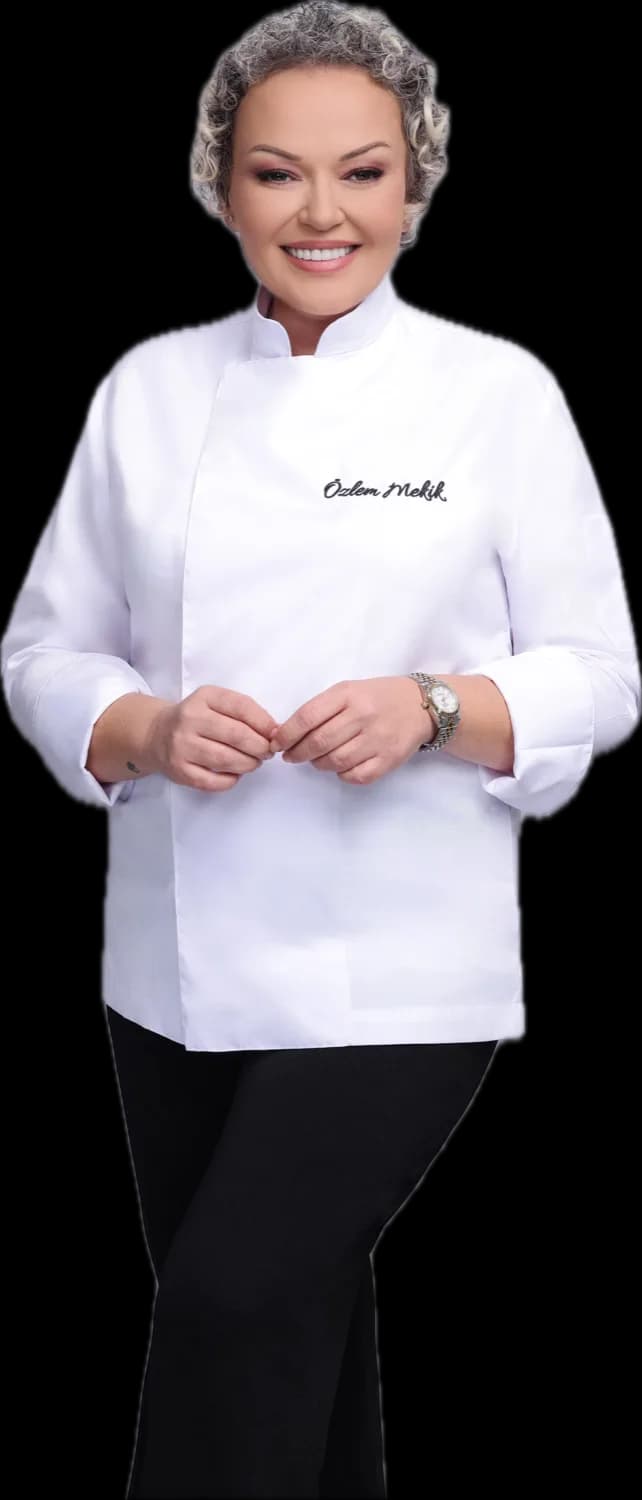
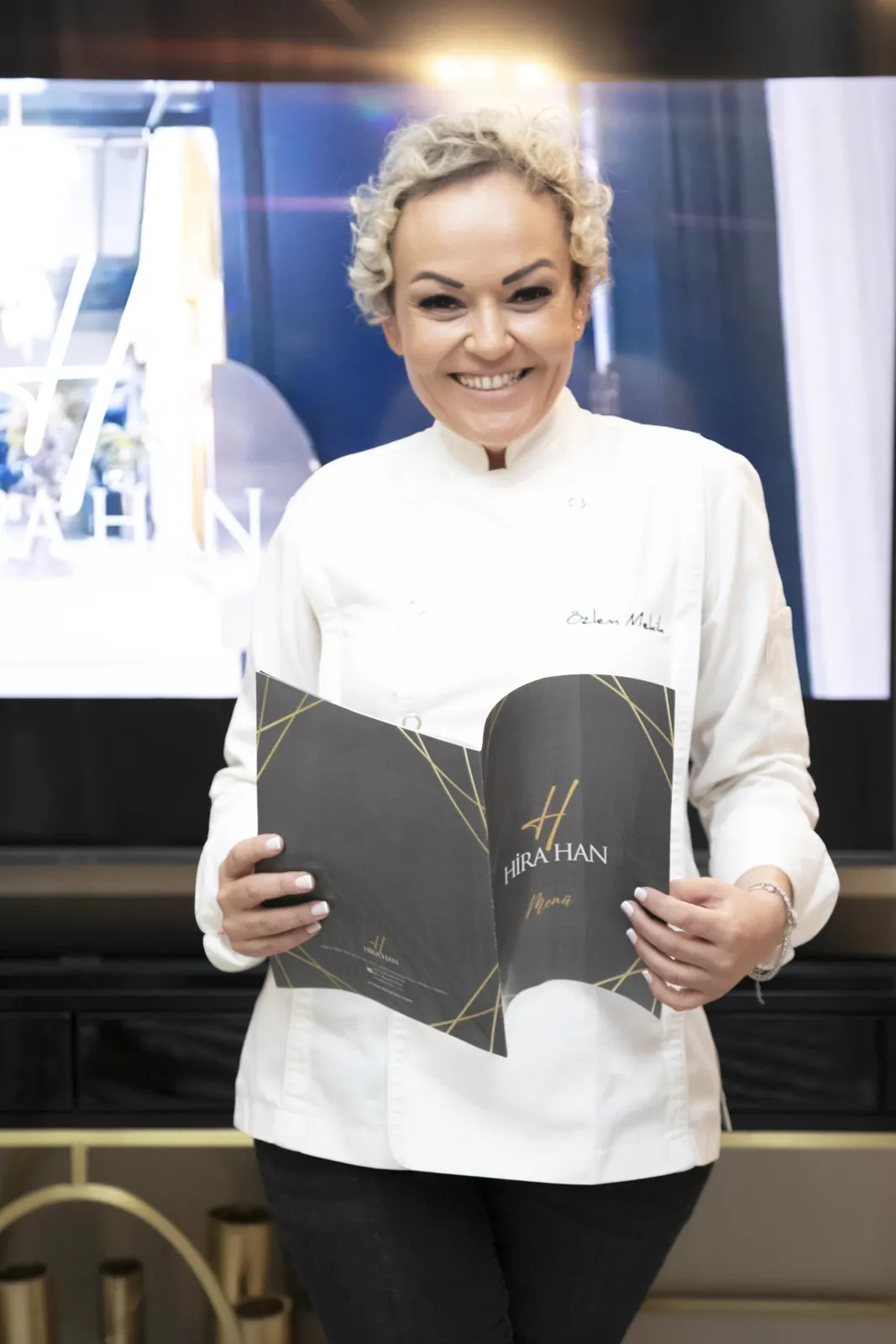
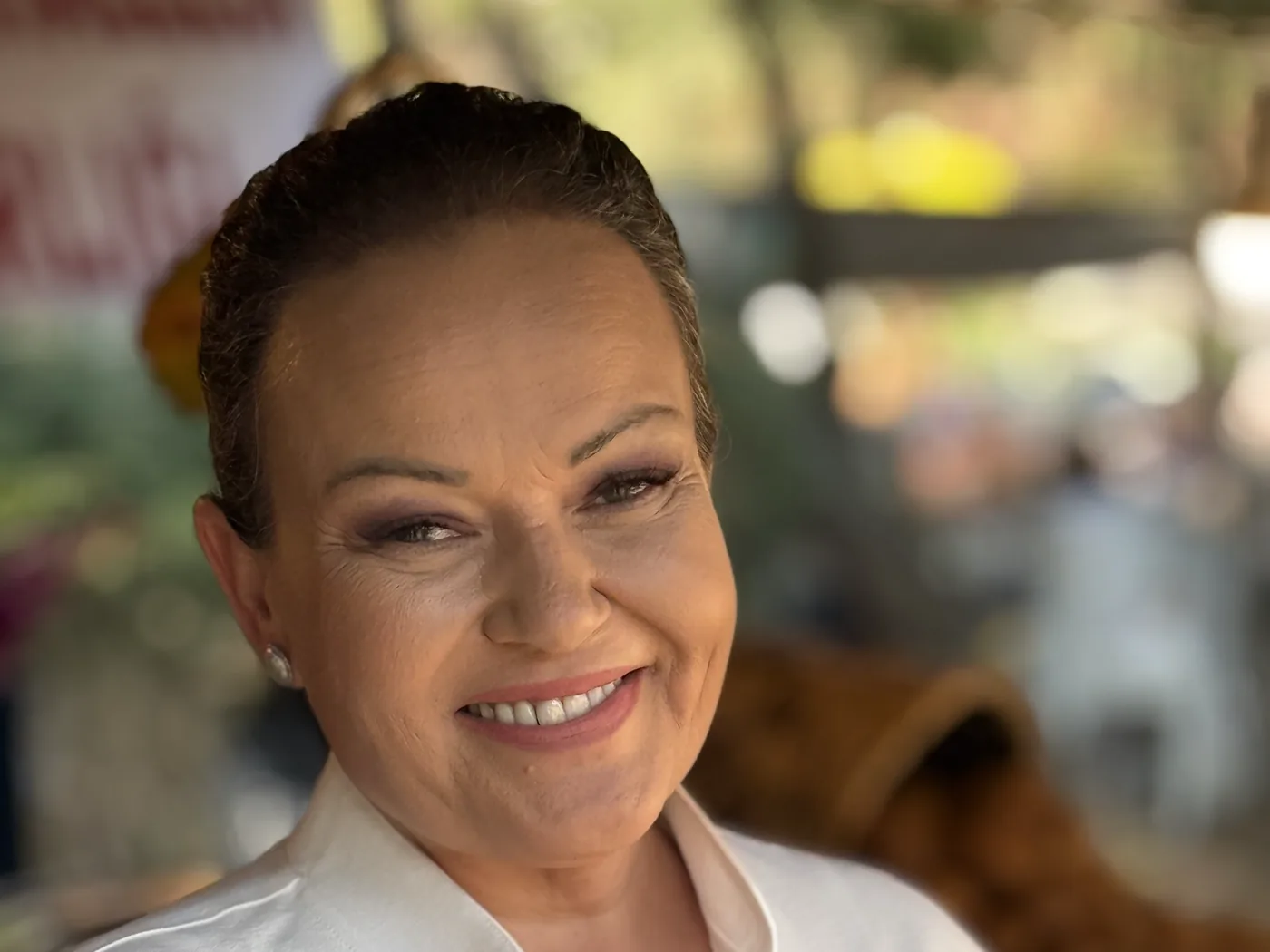
Özlem Mekik is a chef who provides gastronomy and business consulting to restaurants, hotels, food producers and retail brands. She has worked in restaurant kitchens and restaurant management for more than twenty years. Whether a business is about to open or has got stuck, she treats the menu, recipe standards, kitchen layout, team and service as parts of the same system.
Consulting chef, OPET Tarihe Saygı (Respect for History) project (2018) · Gastronomy expert, Edirne İl Kültür ve Turizm Müdürlüğü (Edirne Provincial Directorate of Culture and Tourism), tava ciğeri UNESCO preparation (2020) · Chef, Türkiye Kültür Yolu Festivalleri (Türkiye Culture Route Festivals), Kültür ve Turizm Bakanlığı (Ministry of Culture and Tourism) (2025)
Starting a new business · built from scratch
This is still an idea. There is a venue and there is ambition, but there is no plan yet for how the kitchen will run every day.
I build the kitchen side of the concept, the product, the operation and the team together.
Şifa Köyü
At Şifa Köyü I work as Gastronomy and Experience Consultant. It is a broad consulting process that covers the brand's gastronomy vision, the visitor experience, product development, and the concept and brand structure. With EU organic-certified production and heirloom seeds at the centre, I take an active part in the strategic structuring of Şifa Lokantası, the production kitchen, the gastronomy experience areas, the workshops, the product categories, and the menu and recipe development.
My aim is for Şifa Köyü to be more than a place where organic produce is grown: a strong destination brand where the soil, gastronomy, healthy living and the visitor experience are part of the same story. To get there I look at every point where the project meets people, from the gastronomy concept and the branding of the products to the visitor's route, events and partnerships, so that Şifa Köyü's own identity becomes a gastronomy experience with commercial value that can last.
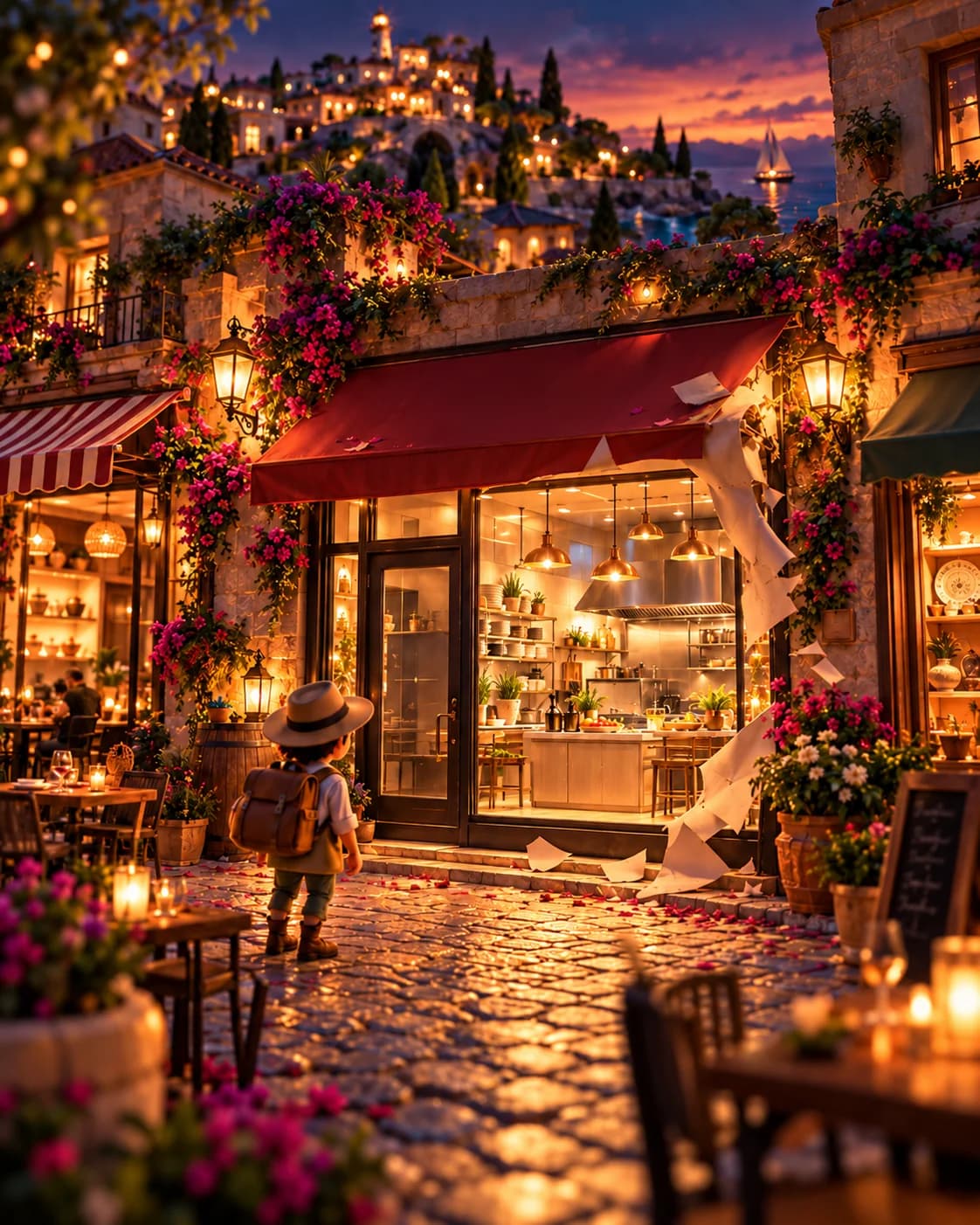
Fixing a working business · when it gets stuck
A dish that comes out slowly can look like a problem with the kitchen team. The cause may be a menu that has grown too large, a prep order set up the wrong way, the supply routine, a gap between the floor and the kitchen, or a recipe that lives in one person's head because nobody ever wrote it down.
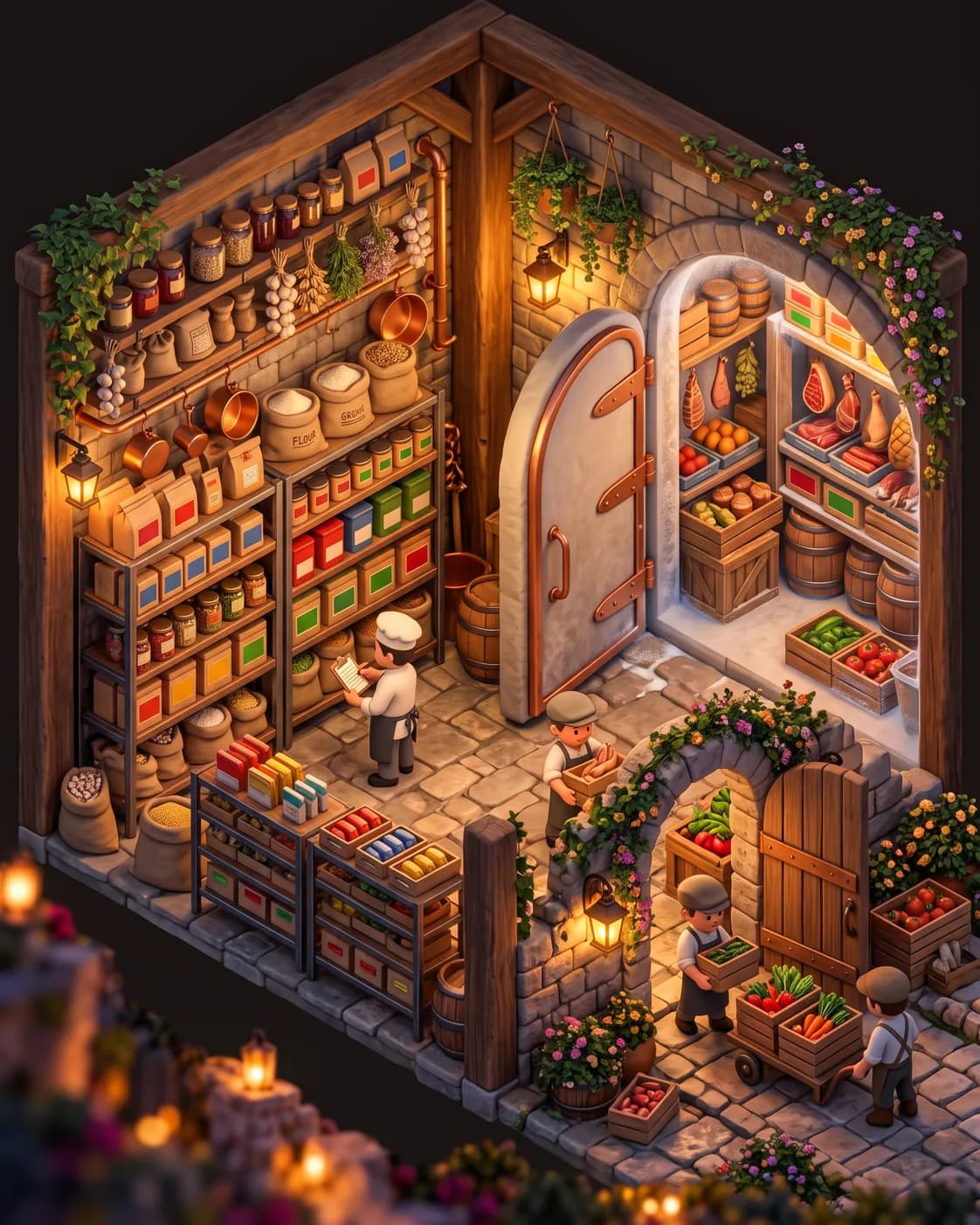
You can tell a well-run business by how its kitchen works during a busy service.
The questions are these: how fast does the team find what it needs in the middle of service, how does the stock turn over, can different people follow a recipe and get the same result, and can the same order be set up again the next day once service is over?
I follow every movement from the moment a product comes in to the moment the plate goes out. I find the lost time, the needless repetition, the decisions that depend on one person and the hidden cost. In a kitchen, order is a way of working that can be repeated every day.
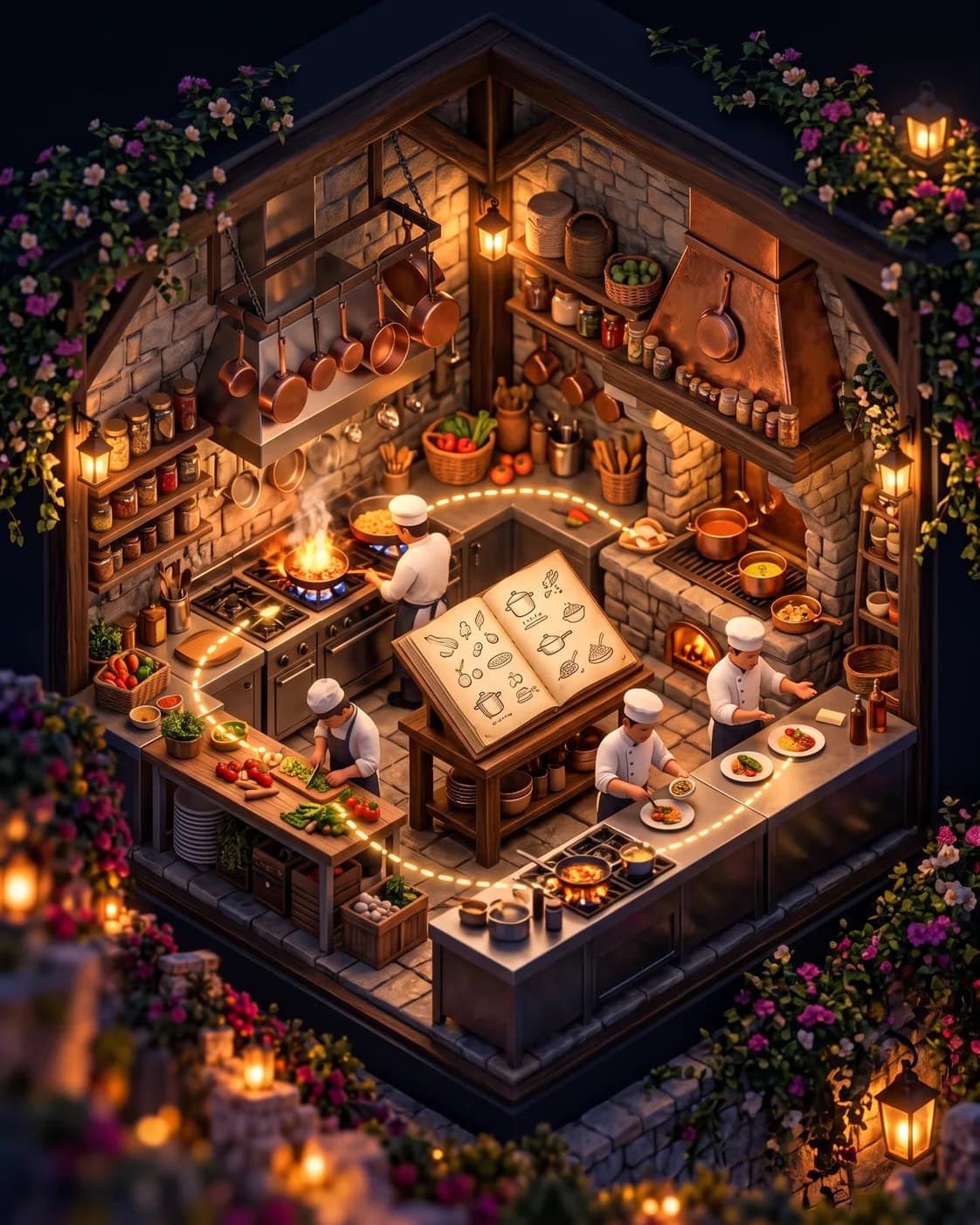
I take decisions off the page and into the kitchen. I put the recipes, production steps and standards into practice with the team and see whether the system works in daily operation.
If the team can keep doing the work the same way without you, the system is in place.
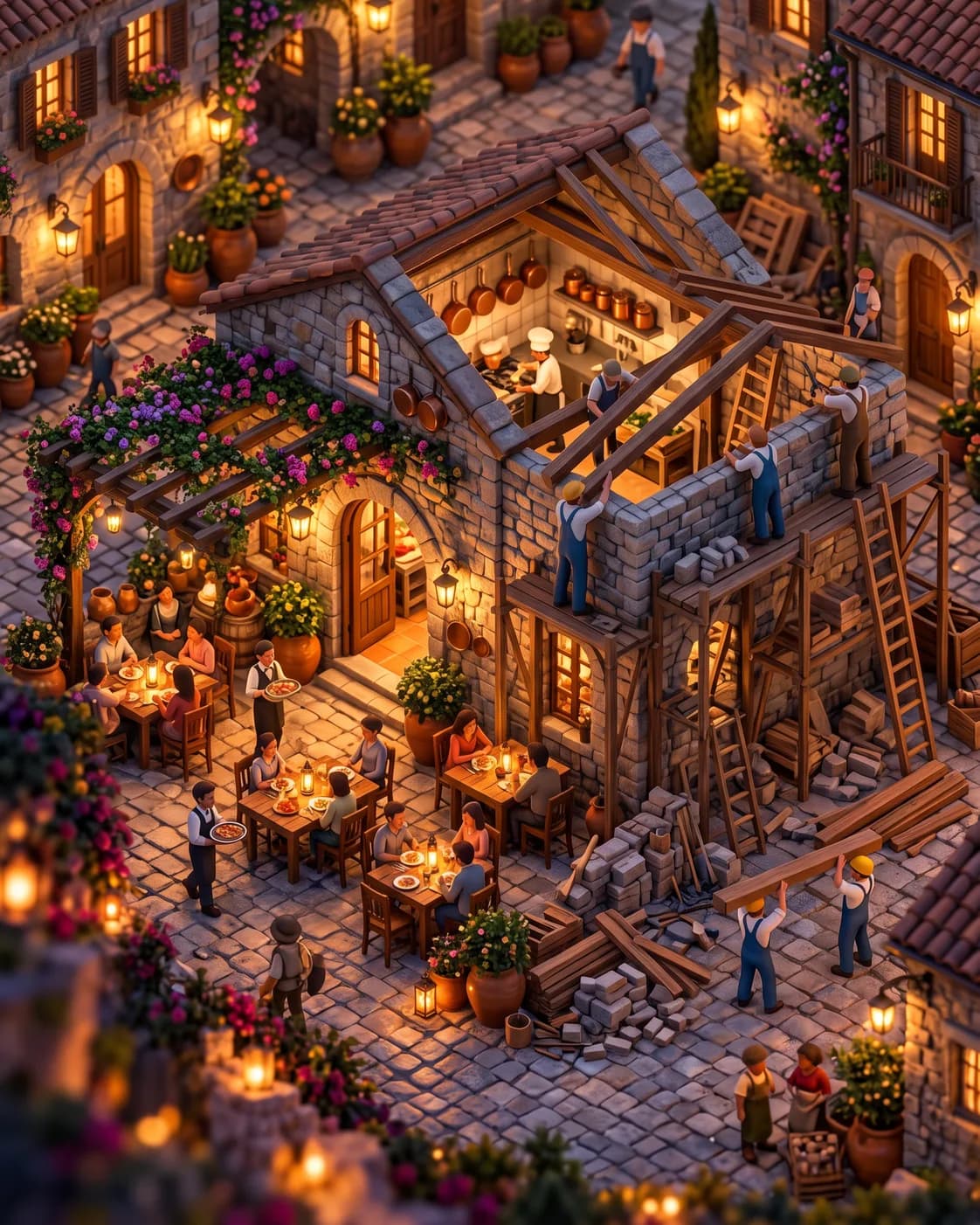
A business that has run for years may want to grow, renew itself or open up to another market. I keep what works and rebuild what no longer serves today's goal.
Who I work with
Hotels and food and beverage outlets
In a hotel kitchen, the restaurant, room service, breakfast and meeting catering all run on the same team and the same storeroom. I run a restaurant inside a hotel, so I start by looking at how the kitchen keeps up at every hour of the day. I build the menu around the hotel's guests and the team's shifts.
Investors preparing to open a restaurant
A restaurant's most expensive decisions are often made before the doors open: when the space is leased and when the kitchen is designed. I sit down with the investor at this stage and, before money is spent, we work out together what kind of menu the concept needs and what kind of kitchen that menu needs. I opened my first restaurant at twenty-three. As an operator I also know how much it costs later to fix a decision that was skipped before opening.
Public institutions and tourism
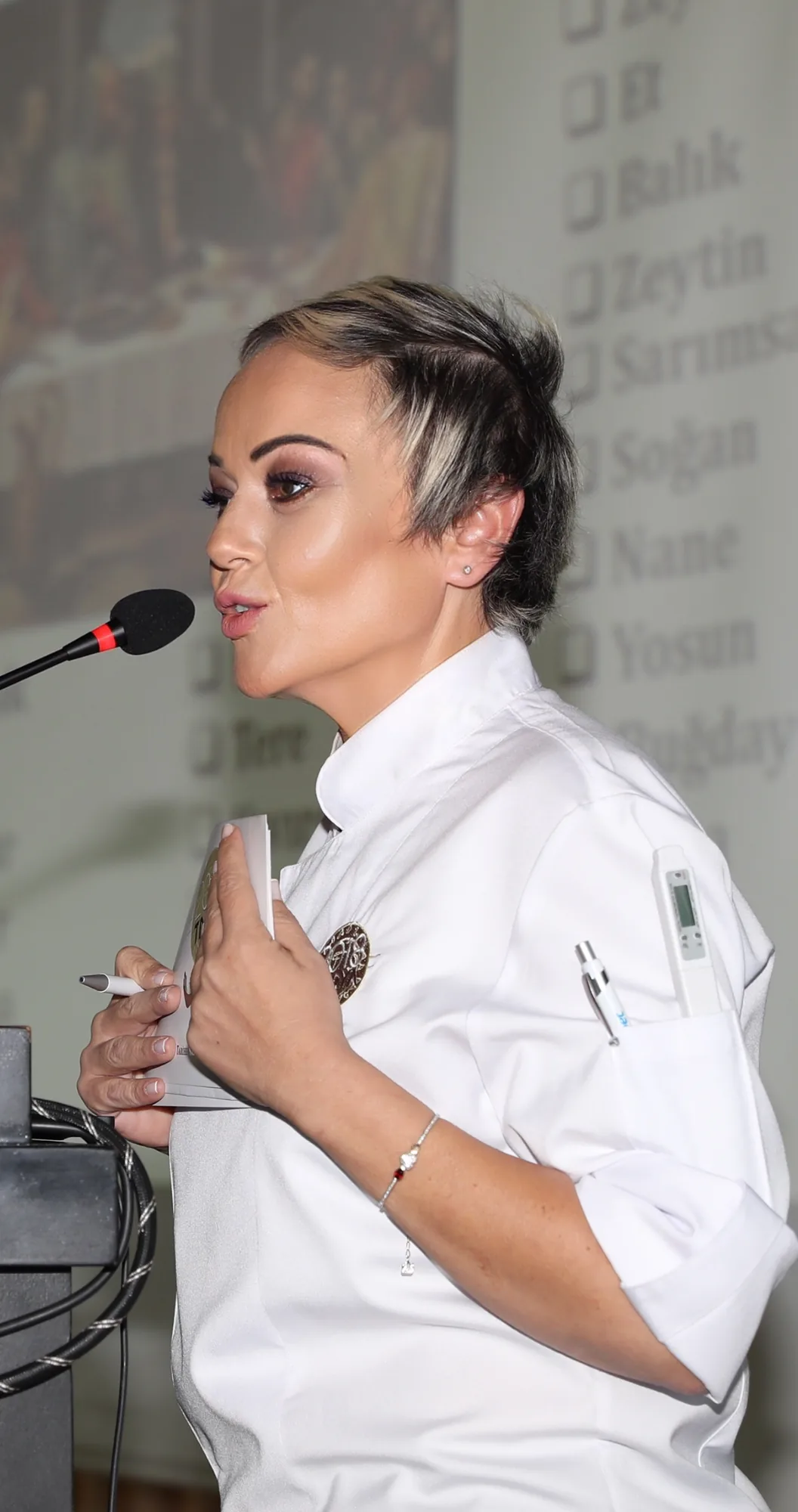
In Çanakkale, in a project that also involved the governor's office, I reinterpreted an ancient dessert and gave a hands-on workshop to hotel and restaurant chefs in the region. I worked at the same counter with village women in Tevfikiye and with women taking part in the training programme of Türk Kızılay (Turkish Red Crescent). For municipalities and institutions I prepare work that turns a local product into recipes and teaches them to local chefs and producers.
How I work
First meeting and scope. We talk about where the business stands today, what needs to change and where the project's limits are. By the end of this meeting the right question for the project is clear.
On-site review. I review the kitchen, the product, the team, the service and the existing documents. A decision that looks right from a distance can turn out differently on the ground, so I make the diagnosis on site.
Diagnosis and roadmap. I separate the visible symptoms from the real causes and decide which issue comes first and which comes later.
Project work. Depending on the need, I develop the concept, menu, recipes, kitchen organisation, operation, service, training and implementation plans with my team, within one structure.
Follow-up and handover. Once the new way of working has started, I review the problems that come up. I hand over the documents, the checkpoints and the know-how to the team that will carry the work on.
When the scope grows, the method stays the same and the team gets bigger.
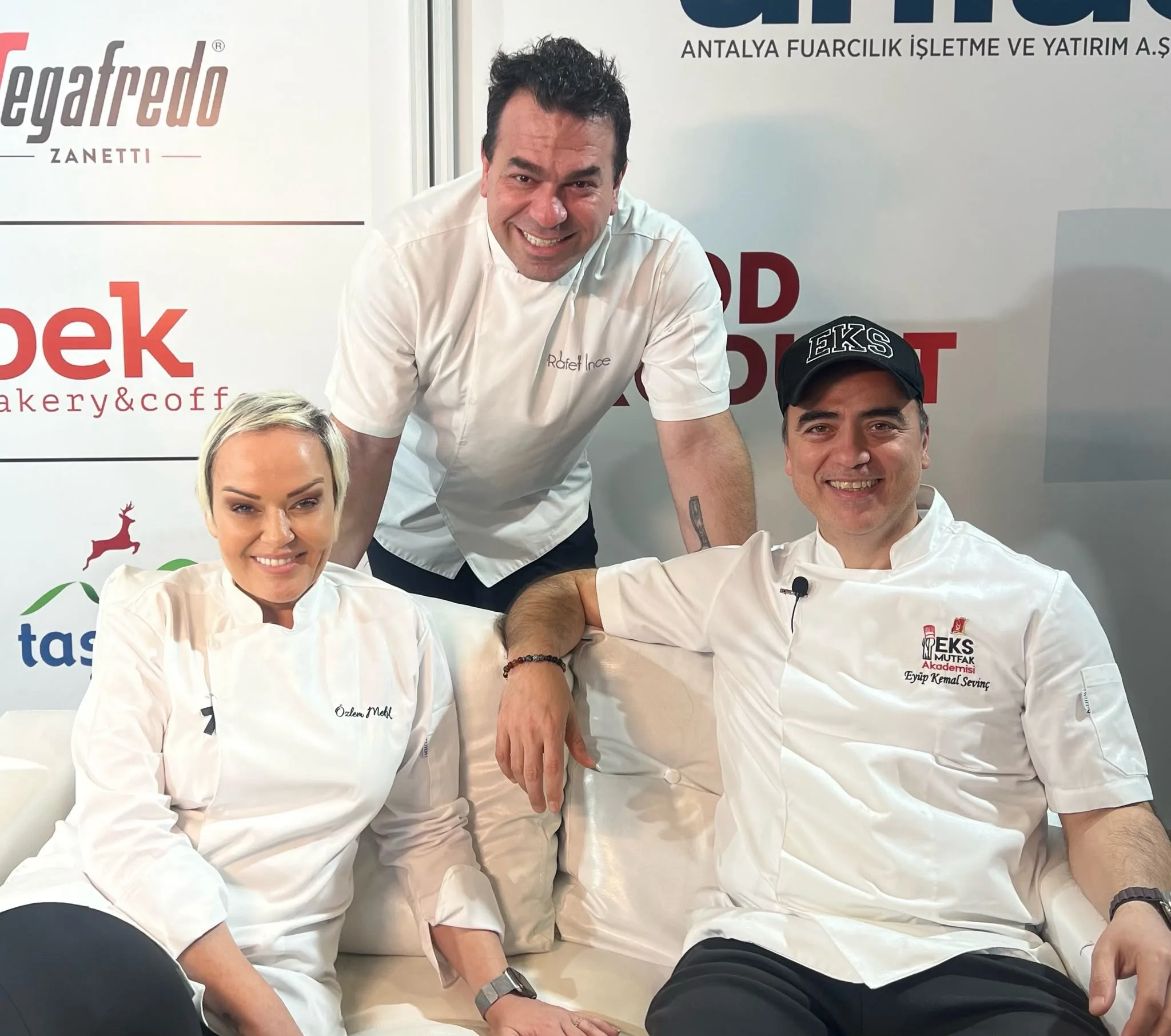
I lead the gastronomy approach, the product decisions and the operating method. Depending on what the project needs, I bring in specialists in kitchen operations, product development, service, branding, design, technical planning and communication.
This way a new restaurant and a multi-unit business are each handled at their own scale. The skills each project needs come to the table at the right stage.
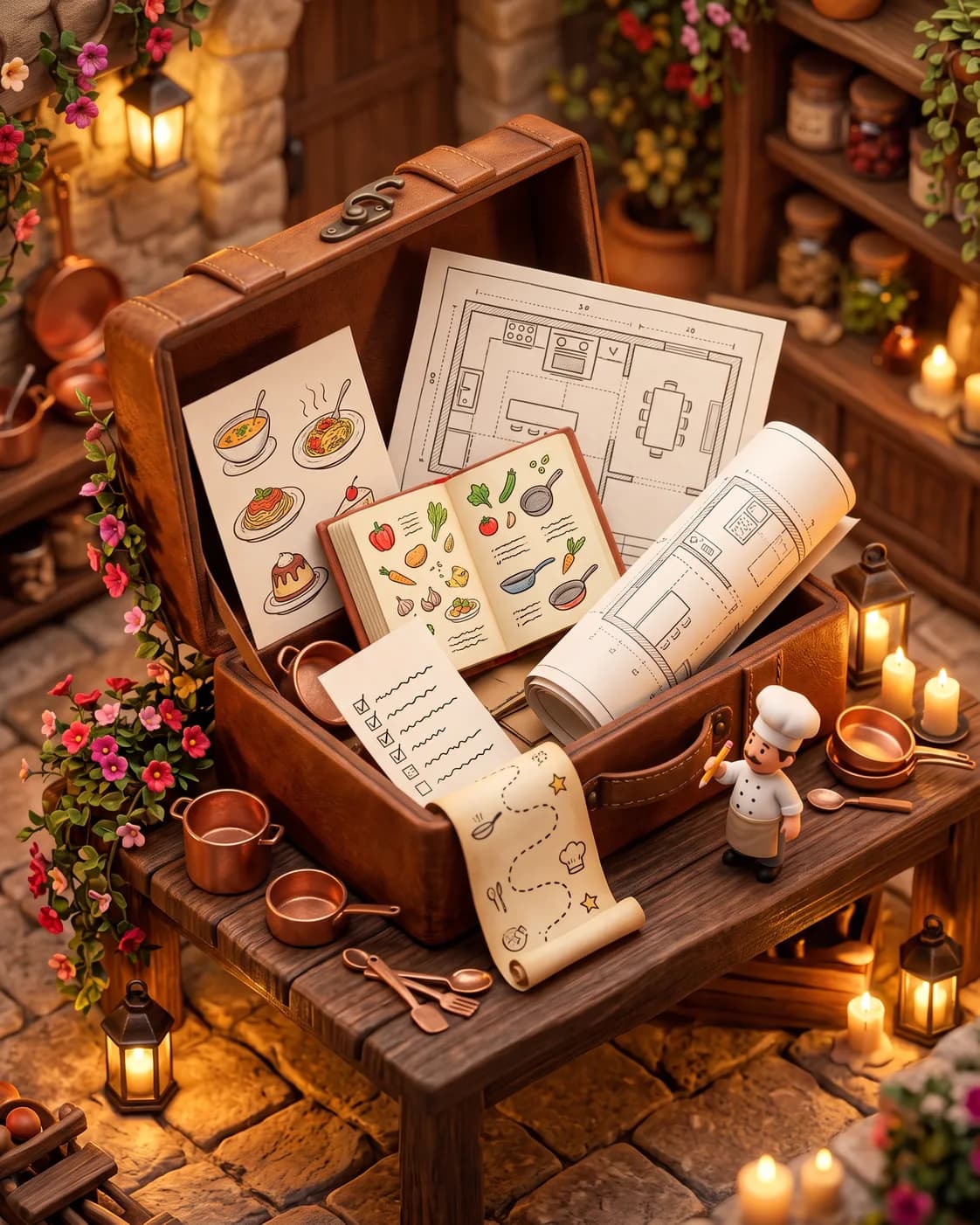
When the work ends, a written way of working stays behind. Depending on the scope, I put the needs analysis, the roadmap, the concept decisions, the menu and recipe work, the operating plan, the kitchen organisation, the training notes and the checklists in writing.
The point of these documents is that the team can keep doing the work the same way.
- Menu development
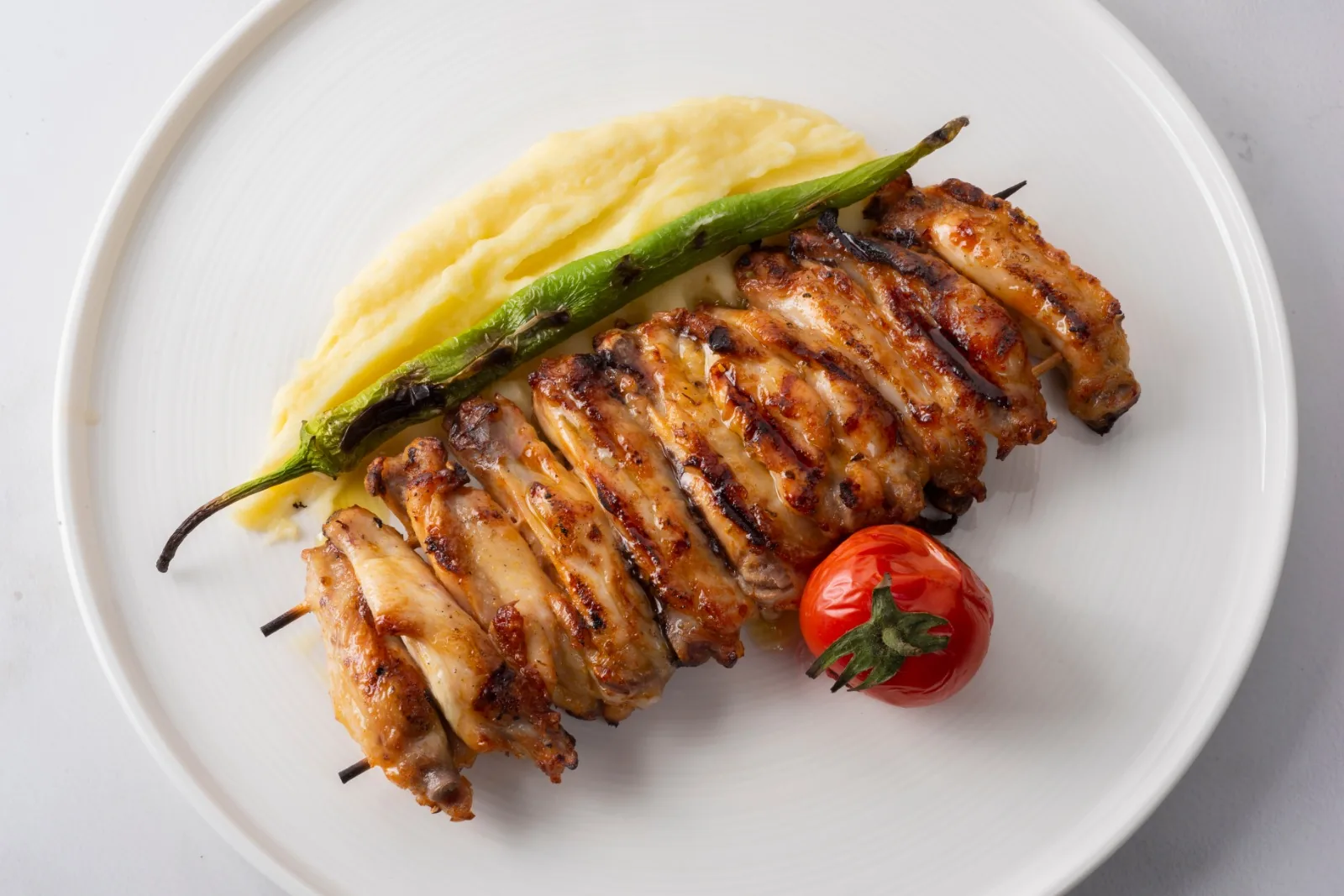
- Menu development
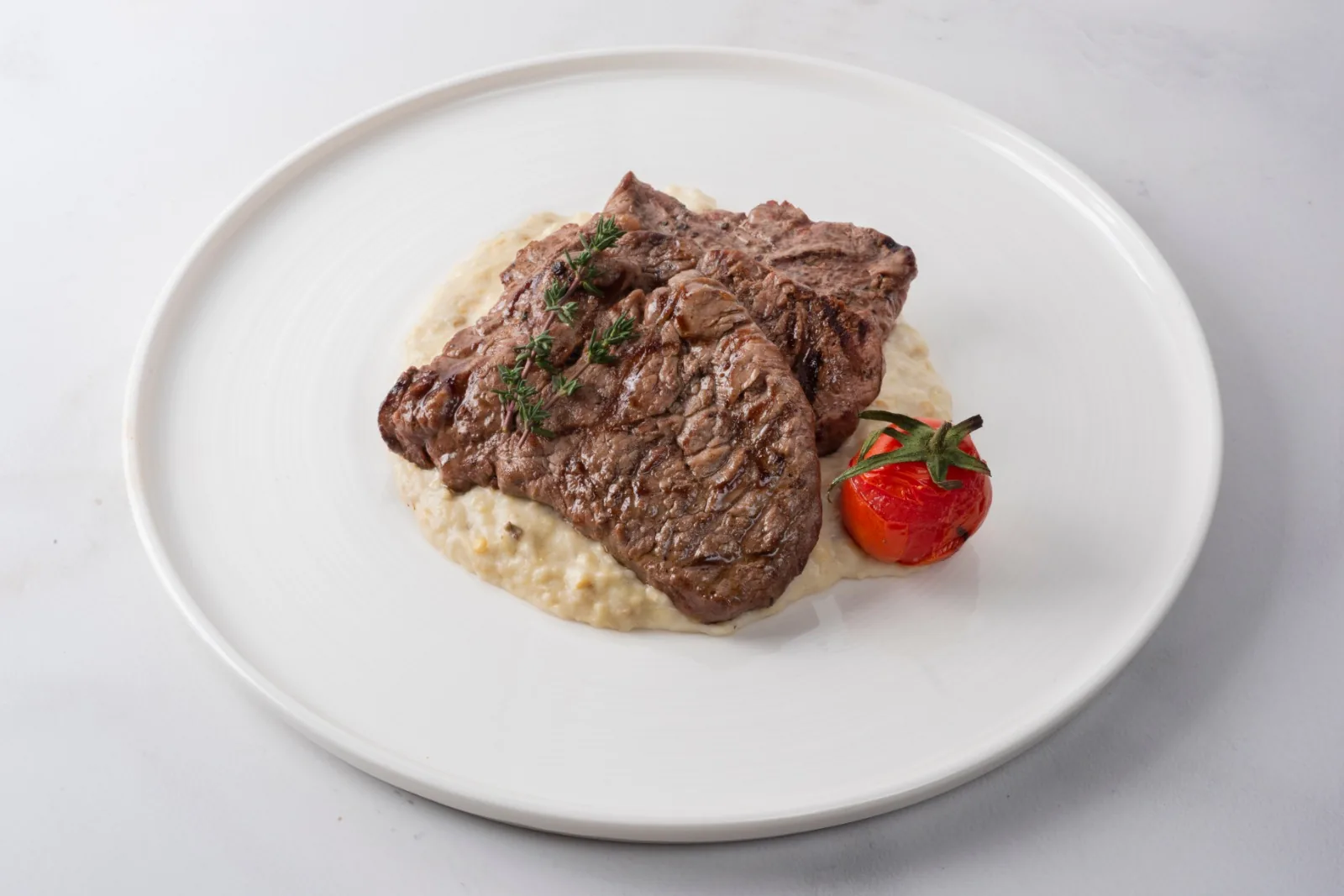
- Menu development
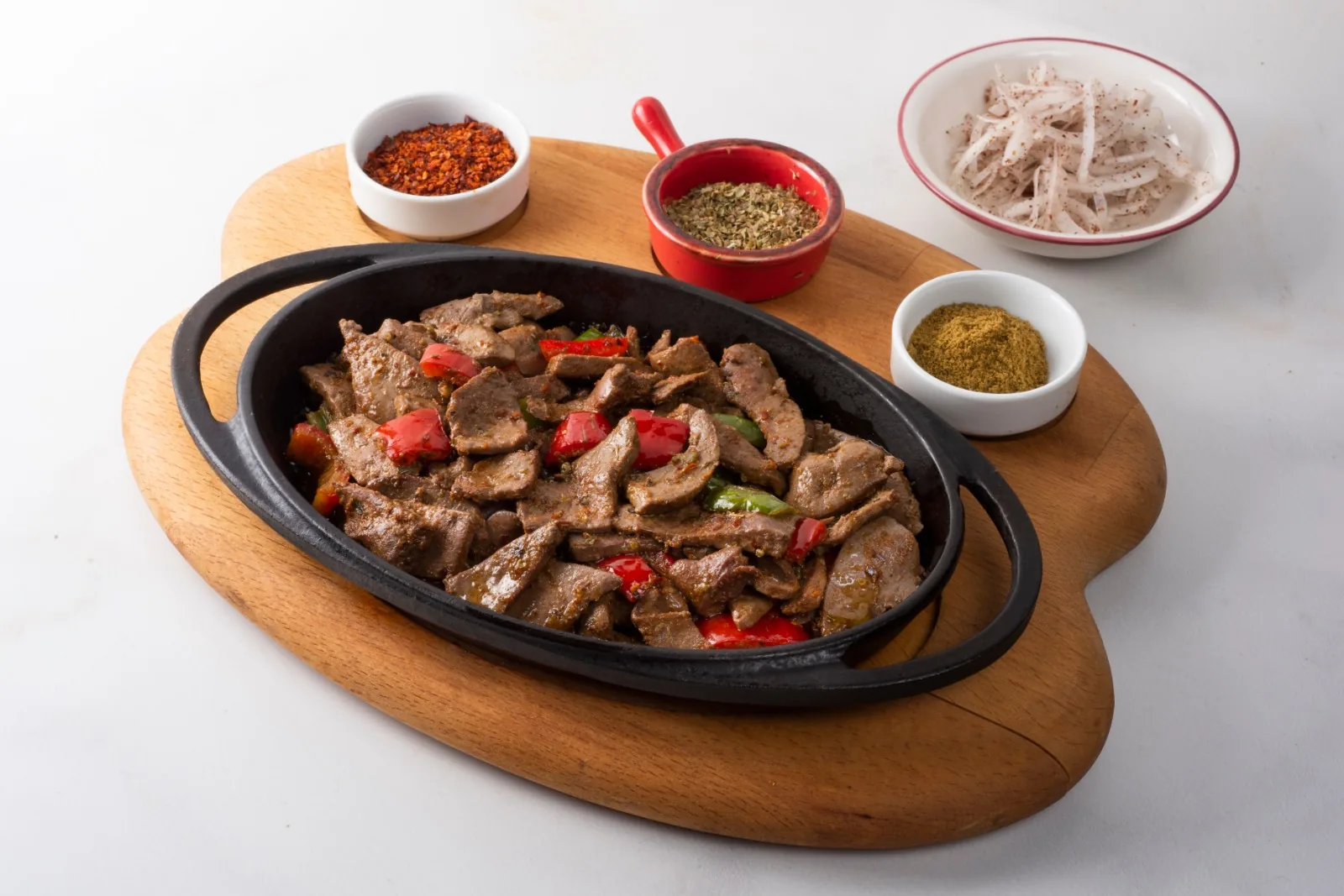
- Menu development
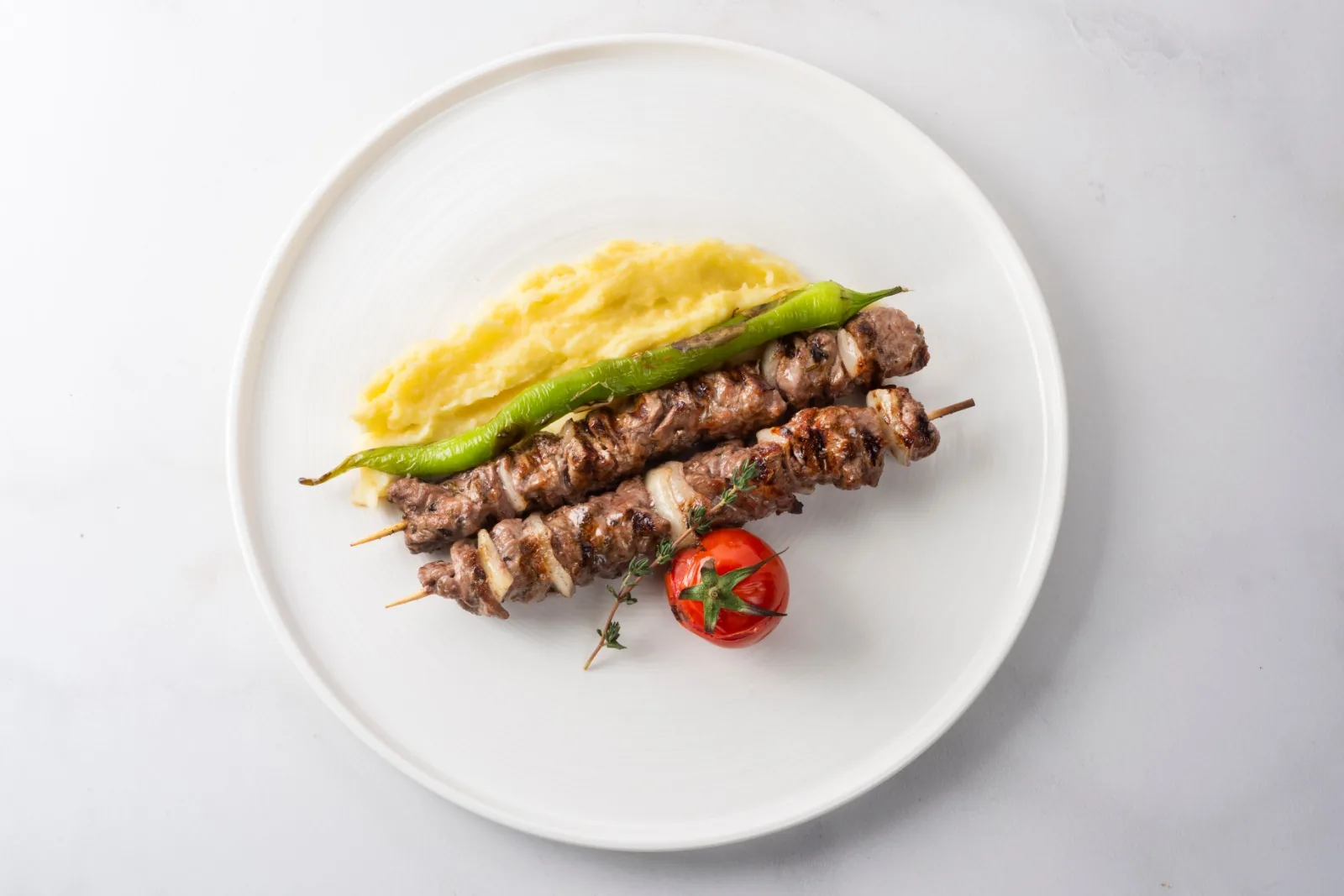
- Menu development
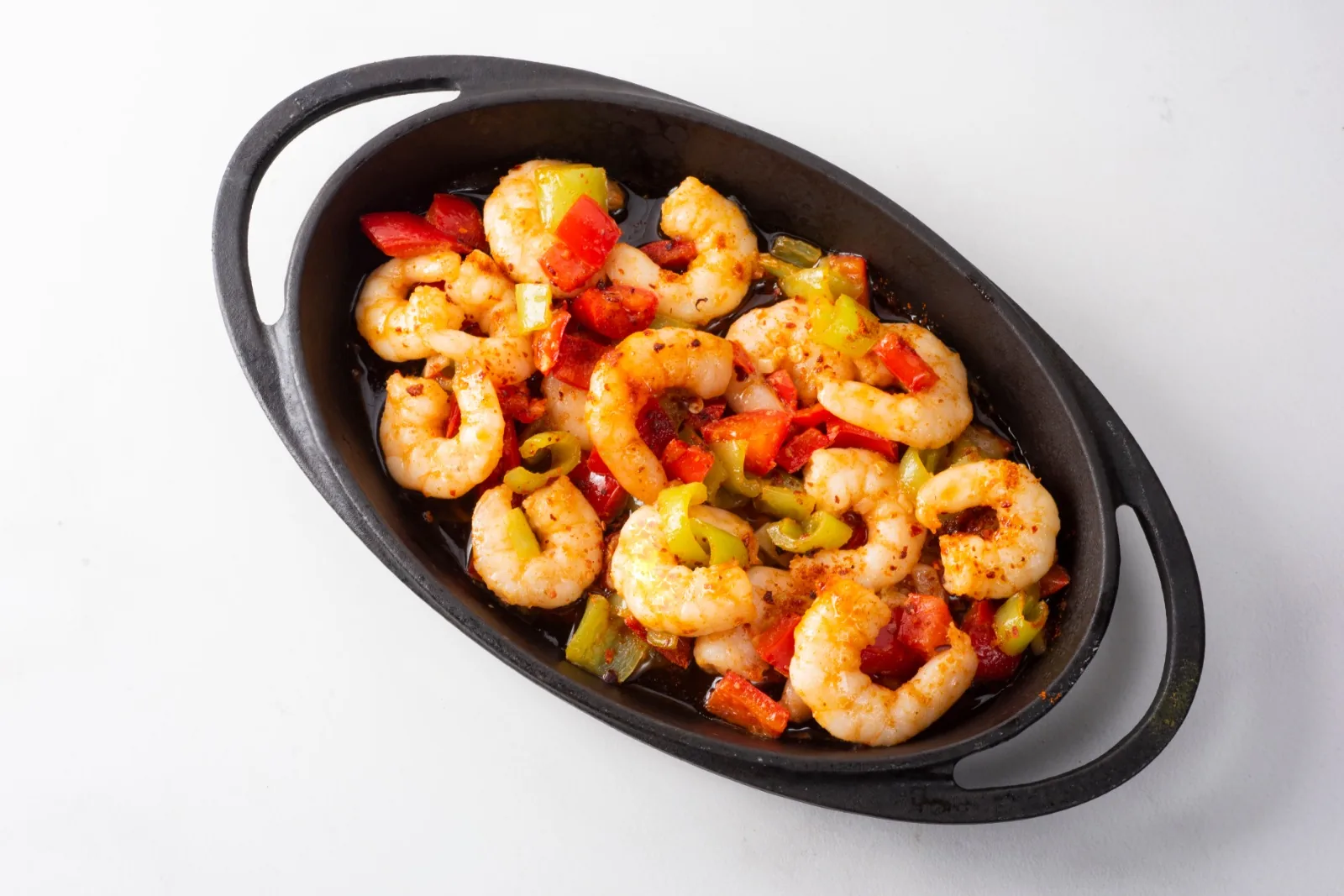
- Menu development
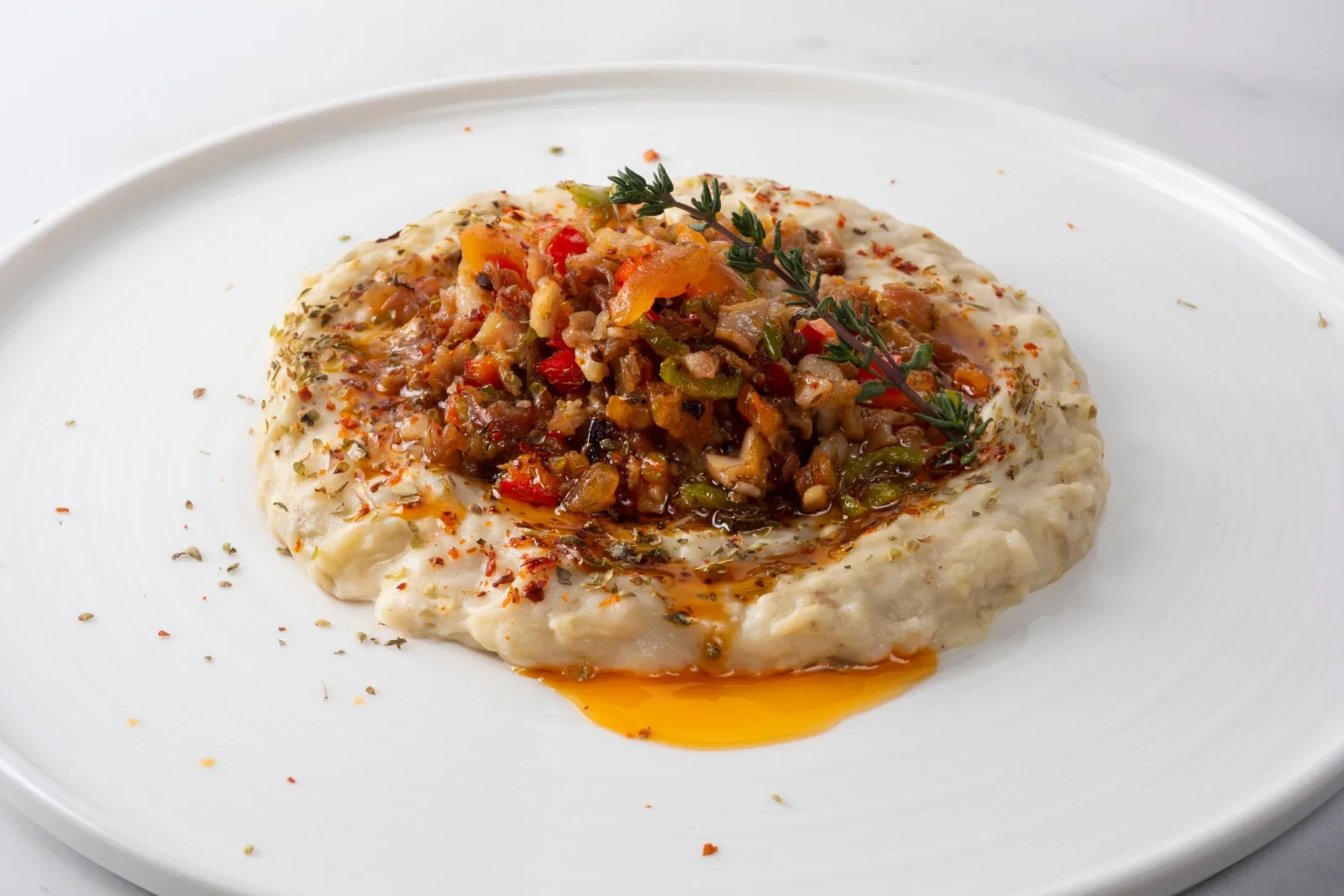
- Menu development
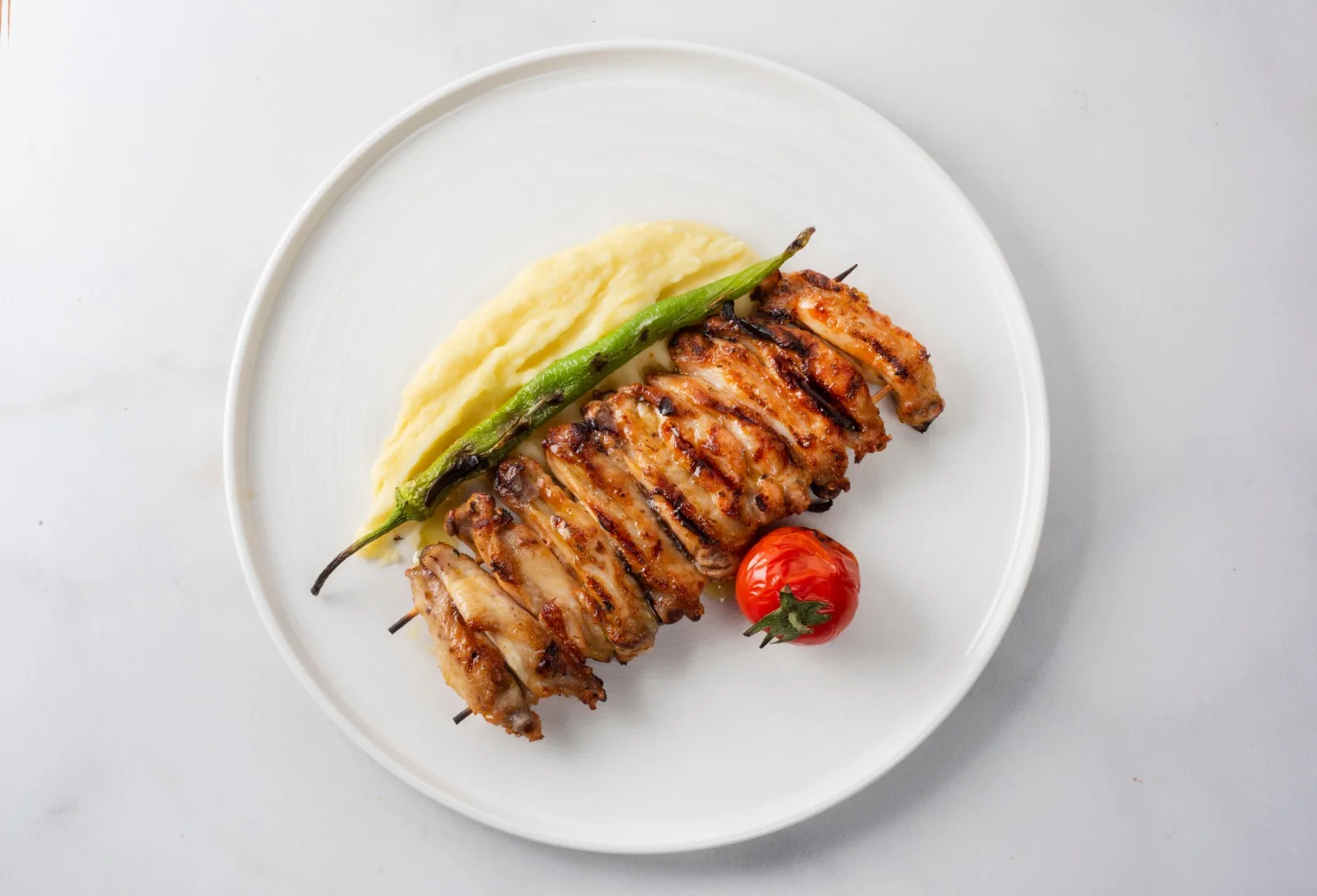
- Menu development
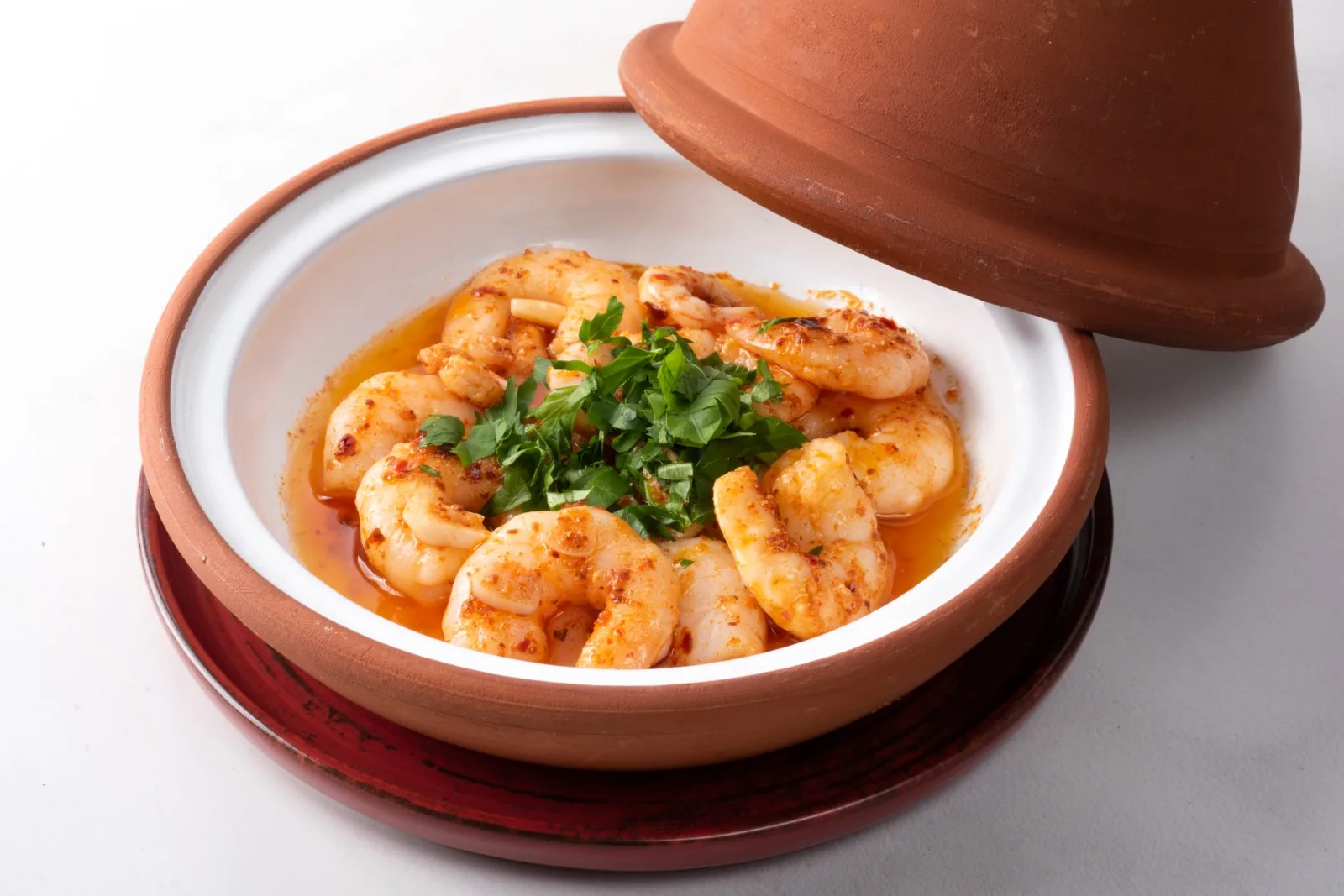
- Menu development
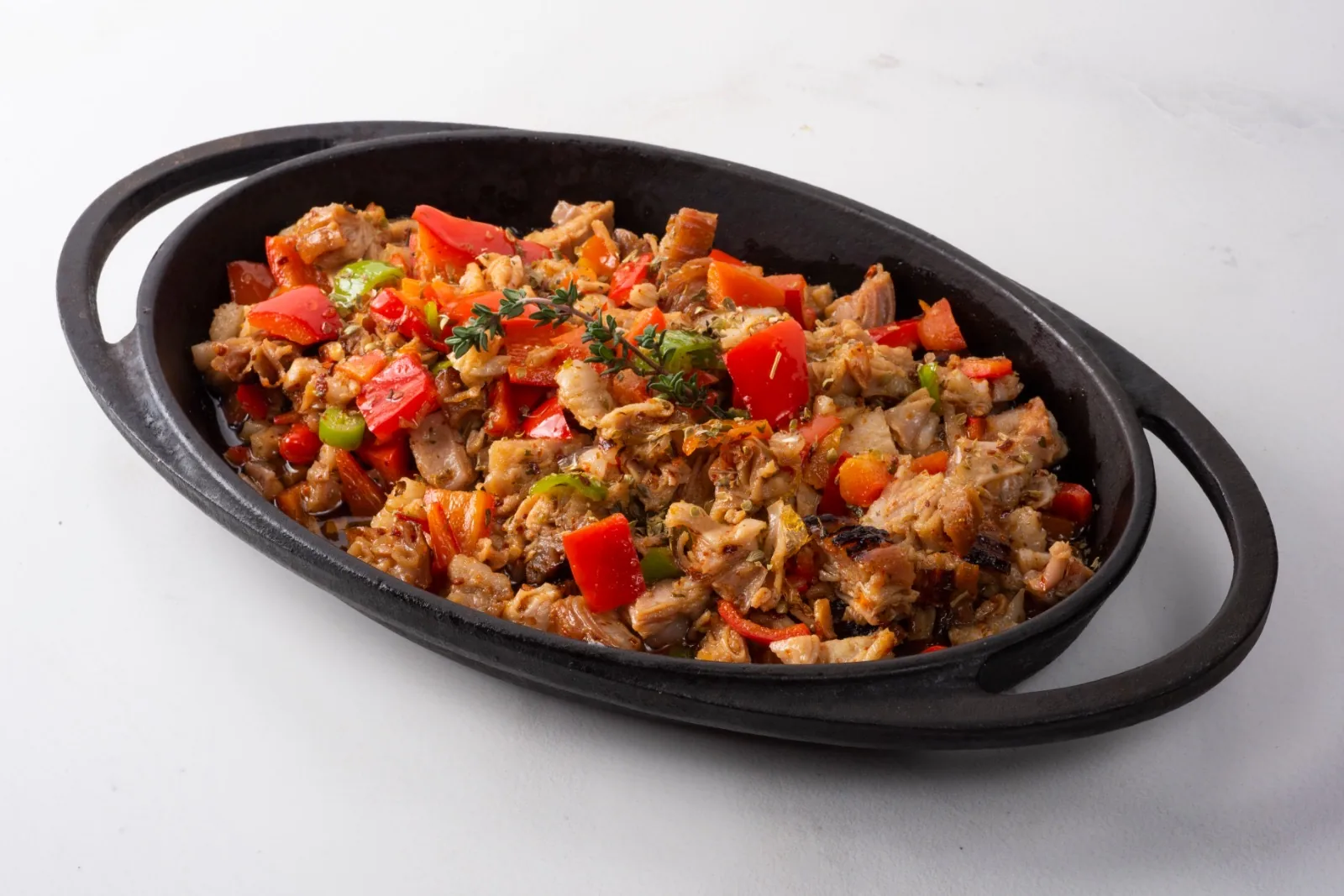
- Menu development
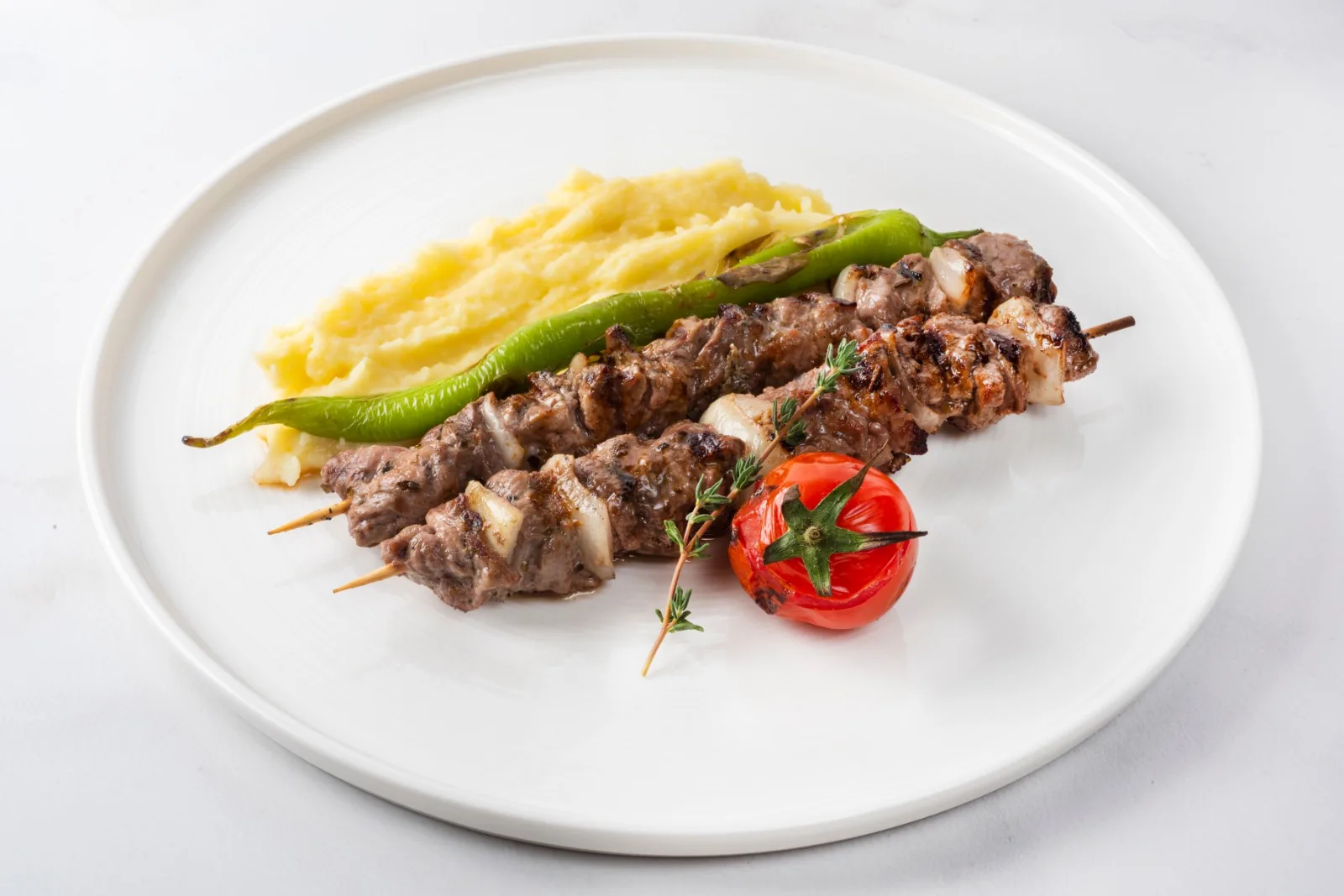
- Menu development
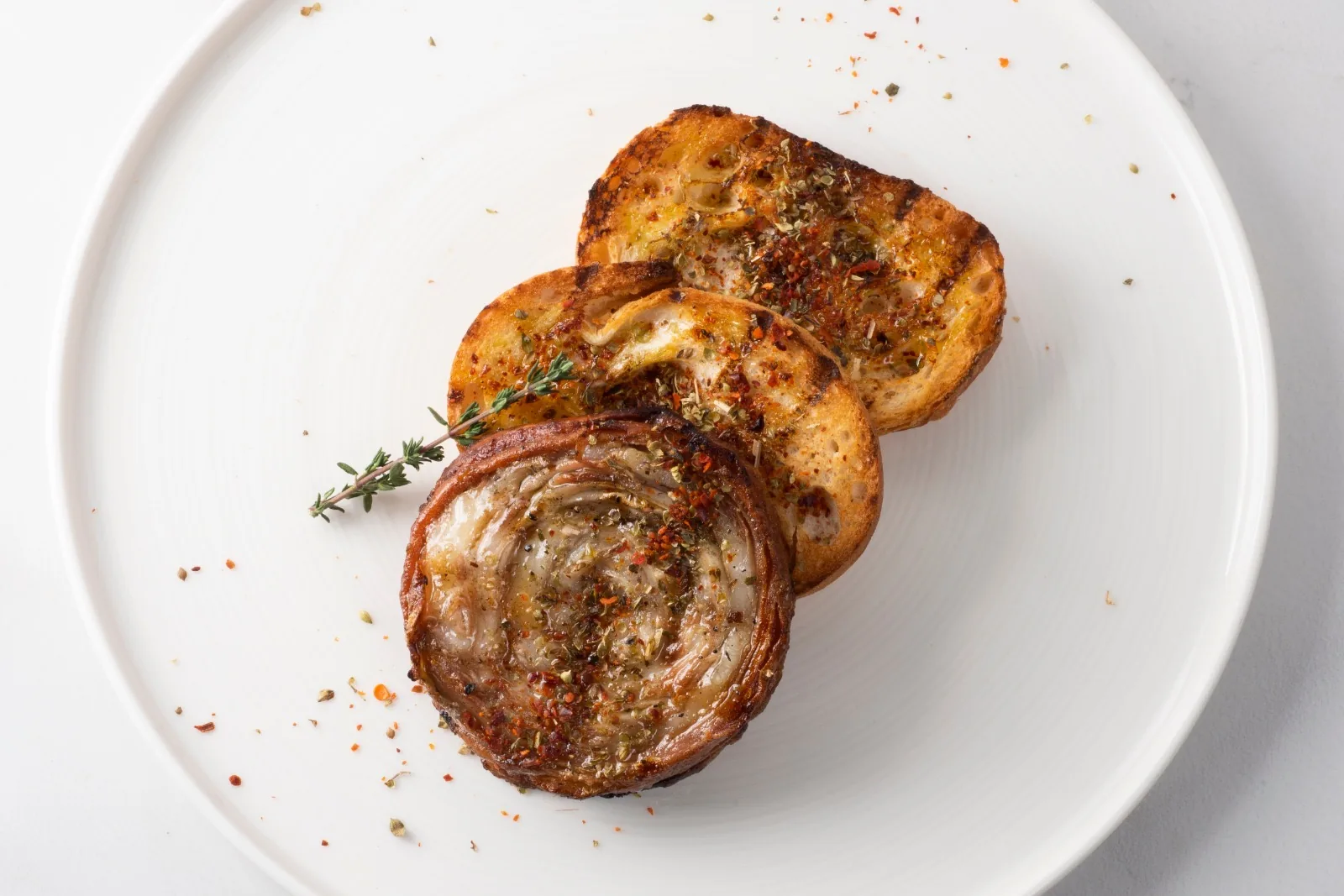
Photos
Frequently asked questions
When should you talk to a consultant before opening a restaurant?
Before the space is leased and before the kitchen is designed. A restaurant's most expensive decisions are often made before the doors open. At this stage you need to settle what kind of menu the concept needs, and what kind of kitchen that menu needs, before money is spent.
What does restaurant consulting cover?
Concept, menu and product, kitchen layout, team, service and daily operation. I handle them together as parts of the same business. When the scope grows, I work with a team I put together for the need.
How do you solve cost and menu problems in a restaurant that is already running?
I follow every movement from the moment a product enters the kitchen to the moment the plate goes out. Hidden cost usually comes from a menu that has grown too large, a recipe that depends on one person or a prep order set up the wrong way. I find these and rebuild the menu and the recipes.
Do you consult for hotel kitchens?
Yes. In a hotel kitchen, the restaurant, room service, breakfast and meeting catering all run on the same team and the same storeroom. I run a restaurant inside a hotel. I build the menu around the hotel's guests and the team's shifts.
How does the team carry on after the consulting ends?
The team carries the work on with the recipes, production steps and standards we set up together. I put each of these decisions into practice with the team in the kitchen. When the team can run the work the same way without me, the system is in place.
How does the consulting process start?
In the first meeting we talk about where the business stands today, what needs to change and where the project's limits are. By the end of this meeting the right question for the project is clear.
Tell me where you are today.
Share where the business stands now, what you want to change and when you would like to start. In the first meeting we can set the scope, the expertise needed and the right order of work.
Lasting results come when the menu is addressed together with how the kitchen runs and how the team works.
Recruiting staff, preparing architectural plans and running construction are separate areas of expertise. I work alongside those teams; my focus stays on the kitchen, the product, operations and the systems that put them into practice.